
Originally published in print in November 2025. View print issues here.
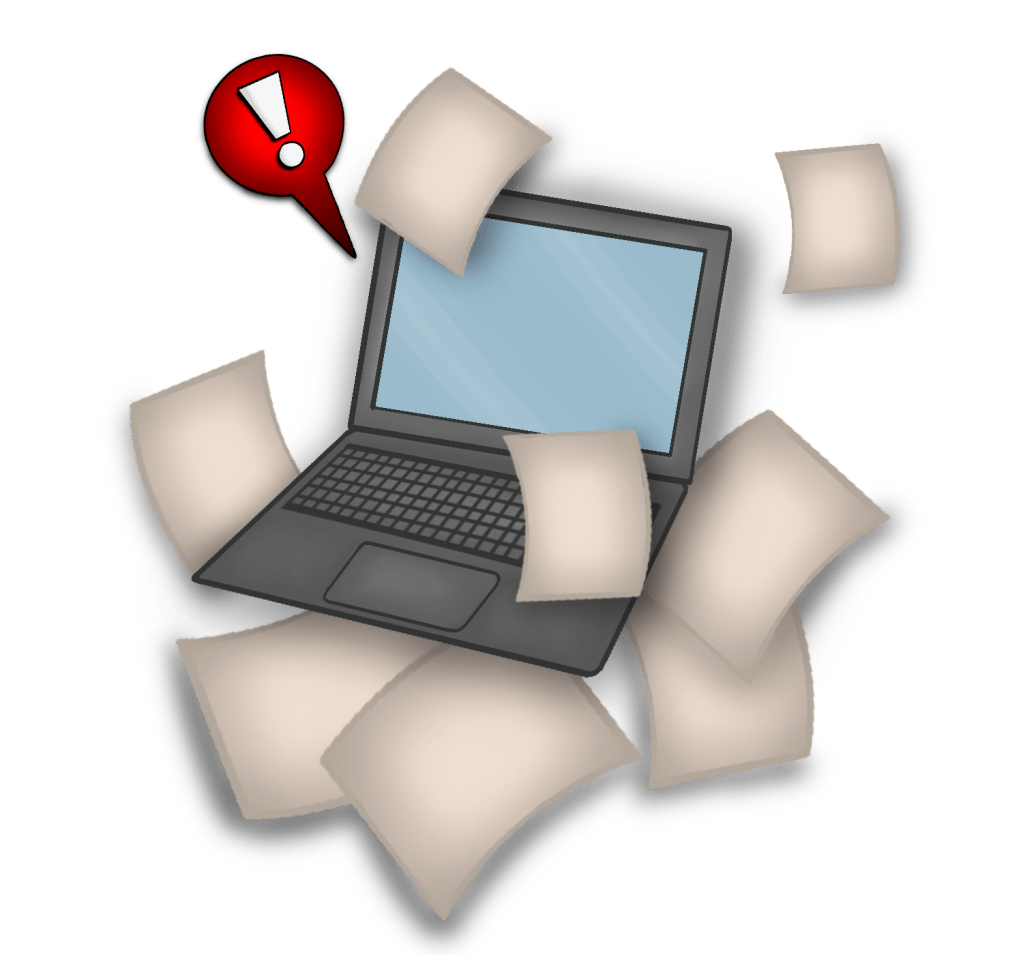
High school students are exposed to various types of assignments due to different teaching methods, yet digital assignments seem to be becoming more common in middle and high schools. However, even with new developments in online educational platforms, paper assignments are better for learning than online assignments.
Students constantly have to keep track of if an assignment is on paper or online and take pictures of their paper assignments, which can often be confusing for students.
Although it is reasonable to understand that assignments will vary by teacher based on the courses and instruction methods employed by each teacher, paper assignments have many more benefits compared to online assignments.
Online assignments can be problematic due to the platforms that host them. From Oct. 19 to Oct. 20, Amazon Web Services had a system outage that affected many platforms including Canvas and AP Classroom. Due to this outage, students across the nation could not access their work online.
Education should not stop due to technical issues within a company. Outages like these, even when lasting one day, can keep classes from progressing with a topic. Especially with fast-paced classes such as AP or honors classes, students cannot have any type of delay. With paper assignments, outages would not pose an issue.
According to a study by the Norwegian University of Science and Technology in January 2024, the brain takes in more information while writing assignments and problems, with participants from the study taking in 98% of information while writing compared to the 67% of information they took in while typing.
This not only proves that writing is efficient for memory, but it can also be efficient in time management, with students not needing to review material as much due to longer-lasting memory of a certain topic.
Online homework can also distract students who need electronic devices to do assignments.
According to the Centers for Disease Control, over 50% of teenagers aged 12 to 17 years old have a screen time of 4 hours and above, with the 15 to 17 year old demographic, the age where teens are starting and in high school, having the most screen time.
Students already face problems regarding online time management. When students associate screens with their education and entertainment, staying focused on online assignments can be hard.
Paper assignments are also always available for students. Students who have trouble accessing a strong Wi-Fi connection at home may struggle with researching and doing online assignments.
According to The National Telecommunications and Information Administration, 18% of households in the United States have trouble accessing Wi-Fi or the internet. This statistic also mostly includes minorities that have historically not had as many resources for education given to them, such as the African American community. Having paper assignments allow students to interact with the same material and content without the possibility of unstable access to the internet among students.
Online assignments also create an easier environment for students to cheat and search up answers from past students for their schoolwork.
According to Turnitin, a plagiarism checking platform, one out of every 10 assignments submitted to their platform, totaling 200 million, has been caught using artificial intelligence.
Due to the rise of generative AI, new online cheating methods, possible shutdowns and a lack of focus on the screen, paper assignments are more reliable than online assignments.
Although the accessibility of online educational platforms can help some students, teachers should give mainly paper assignments.
Illustration by Amelia Martorano


 Branham Bear Witness
Leave a comment