
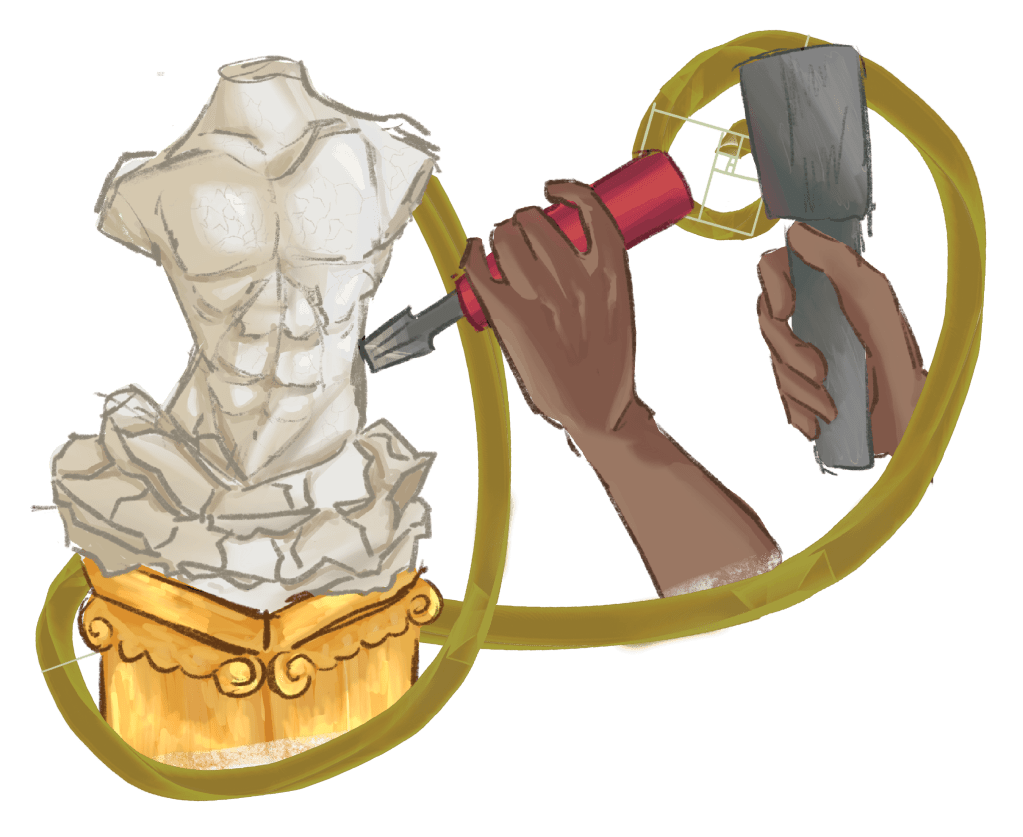
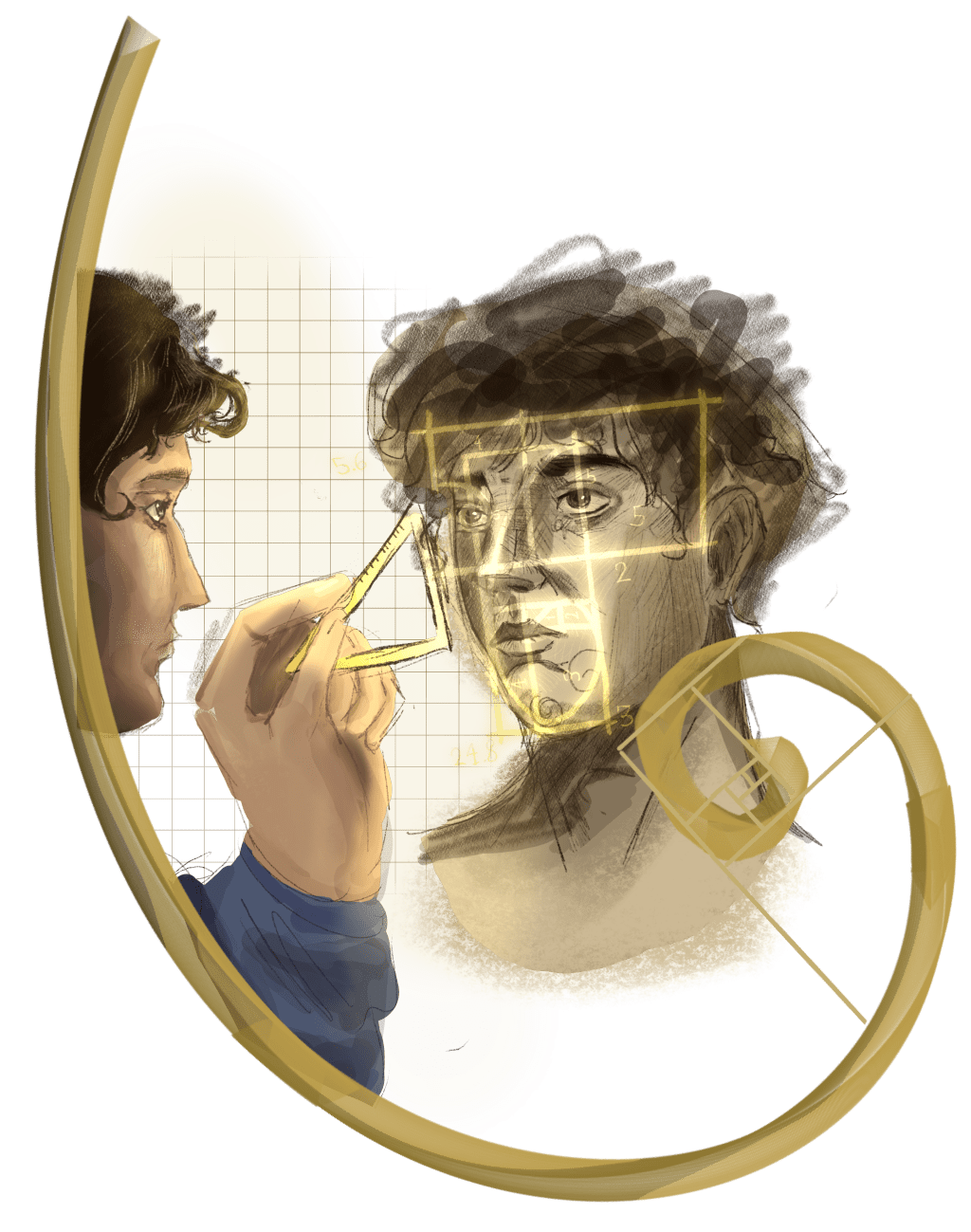
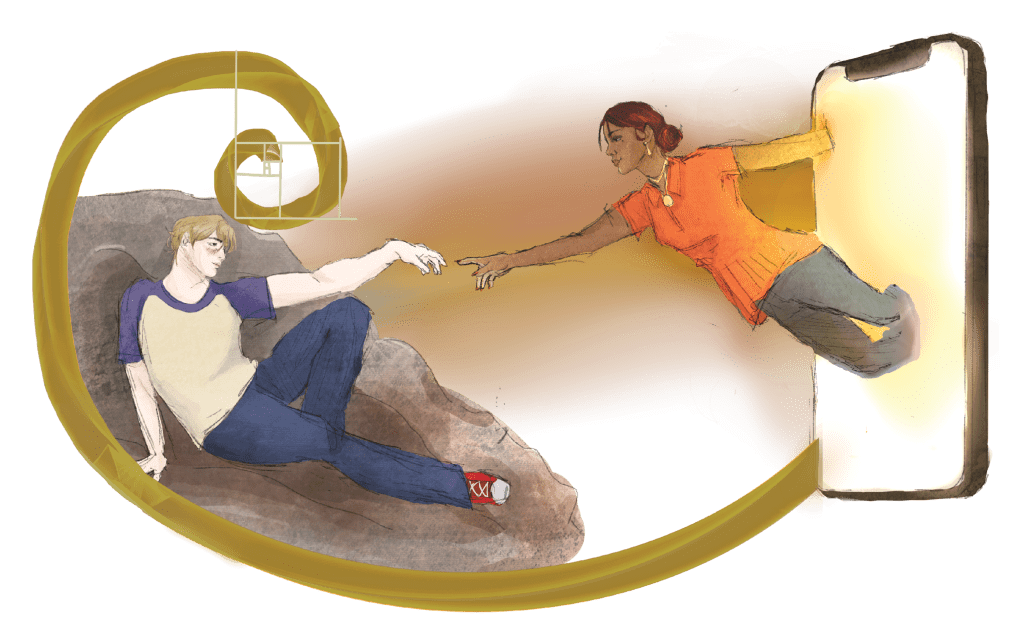
Scroll long enough on Instagram, and faces begin to blur together into one. Today, more than ever, the pressure to meet idealistic beauty standards presented on an app causes people to turn to plastic surgery.
With the growth of social media, ideal beauty standards have become stricter and more singular. In an article for The New Yorker, writer Jia Tolentino dubs this standardized look “Instagram Face,” created through the artificial, unrealistic standards produced through procedures, filters and editing on social media. This “single, cyborgian face” consists of features like plump lips, small noses, high cheekbones and slim eyes.
#instaface
1.1 million posts on Instagram
Junior Naima Chetverykova, who responded in support of getting cosmetic surgery in a Bear Witness Instagram poll, stated how consistently seeing these standards on social media can normalize the idea of plastic surgery. She mentions how it can make people want certain procedures to look a certain way.
Now, younger generations see the beauty standards on social media. Spanish teacher Jessica Martinez-Gallardo comments on how wanting cosmetic procedures has become prevalent in modern media. She believes it can be hard for people not to get caught in the middle of influencer content that can impact how individuals view themselves.
“The most important part is acknowledging that you have to step away from idolizing celebrities. It’s hard to do that because with trends, there’s going to be a ‘leader,’” Martinez said. “But it also gets to a point where you have to be your own person, and I think that doesn’t come until you’re 18-19 when you have that realization [that] you are an adult, [and] you have a sense of freedom.”
When viewers see the same features and similar faces every day, it normalizes the idea that individuals have to look a certain way. Chetverykova says this contributes to the rejection of individuality, since many are used to seeing similar features.
“If you see it that much, and it’s pushing [the idea that] ‘You have to look this way,’ that’s a negative because we need to accept the individuality between different people,” Chetverykova said.
With this current trend, Martinez thinks society should consider the effects harsh beauty standards have on teens and young adults. According to Pew Research, around 47% of teens stated they feel pressured to “look good,” and 41% feel pressured to “fit in socially.” Rigid standards can influence young people to get procedures they don’t need without being properly educated on them.
“[Beauty standards] can either serve students with a realization of something that they do want or something that they absolutely don’t want,” Martinez said. “In both cases, it makes students think about the effect it would have on their own lives. There’s a certain power that social media has over students, so it’s really hard [to] not let it influence you.”
Like Chetverykova, sophomore Parker Higley mentions how frequently seeing social media creators with cosmetic surgeries normalizes the idea of needing to undergo procedures to “fit in.”
“[Influencers are] trying to be relatable to people, so when they have plastic surgery, it feels like maybe [viewers] should too,” Higley said. “Whenever I talk to people and they’ve been watching a celebrity or an influencer, it’s almost like they pretend they know who they are. I guess you could compare it to your friend getting plastic surgery. It might make you feel more pressured [to do] that too.”
Some people also get procedures to improve health, such as to improve breathing with deviated septum surgery or correct minor misalignments with veneers. While these types of procedures address physical health, Chetverykova mentions that general procedures can also impact a person’s mental health by improving their self-esteem.
“A lot of times when people choose to do cosmetic surgery when they don’t have health problems, they do it for mental health reasons — if they’re feeling insecure, [for example],” Chetverykova said. “That’s just as big of a health concern as physical health. If [cosmetic surgery] helps your health, whatever kind of health that is, you should do it.”
No matter the reasons for a surgery, senior Chloe Teil says unnecessary procedures can’t always fix a person’s body image.
“Doing things purely for aesthetics doesn’t necessarily make your life better because you aren’t really changing your mindset,” Teil said. “You’re still the same person, but just with the new something.”
Teil notes that this “norm” of Instagram Face is being pushed by popular celebrities and people at the forefront of social media. Often, people who undergo procedures tend to erase ethnic features to fit the Eurocentric beauty standards, which consist of fair skin, double-lid eyes, small noses and a defined facial structure. Multiple members of the Kardashian family have gotten nose jobs in order to change their Armenian noses to a more westernized look.
Teil believes this norm can pressure people to conform to societal standards. Chetverykova mentions how she’s noticed this trend among those who get certain surgeries to appear more westernized.
“It’s really unfortunate when that happens because everyone should be happy with how they look and how they are and how they’re born,” Chetverykova said. “It’s upsetting, but again, if that’s what is going to make them happy at the end of the day, then who am I to say what they should and shouldn’t do?”
As someone of Persian descent, junior Sevin Sabei has considered getting a nose job in the future, primarily because she has been mocked for her ethnic features. Growing up, she mentions people have used language with negative undertones such as prominent, to describe her Middle Eastern features.
“A lot of people, especially from the Middle East, tend to have larger noses, and over the years, people have mocked me for it,” Sabei said. “Even in social media or movies, you always see people who are depicted as evil have that type of structure, and that all has fed into that mentality that I don’t like my nose and that I want [to change it].”
Higley agrees that it’s unfortunate people erase ethnic features to fit the standard beauty norms.
“It is sort of disappointing that we don’t have a great representation of all different cultures and features that come with ethnic groups, and we need to shift away from a Eurocentric position to embracing all people,” Higley said.
Sabei adds that seeing wider representation can allow people to be more accepting of others and themselves, but it might not solve the problem altogether.
“Insecurities will probably always be there, but more representation — which I have seen popping up more lately — of people accepting different noses, representing their nose, being proud of it and showing that it is beautiful as well can definitely help minimize the insecurity and make me feel like I can accept my nose more publicly.”
Martinez thinks that being more educated on the outcomes associated with surgery can alter people’s perspectives about undergoing certain procedures.
“There are, like with any medical procedures, risks, and there’s unfortunately some consequences that we can see,” Martinez said. “Part of that is the constant feeling of not being satisfied with yourself, and I think that’s the most important one — that there’s nothing you won’t do to look your best by doing medical procedures.”
Higley believes every individual deserves to feel pleased with their body and not let beauty standards set by influencers shape the way they view themselves.
“Everybody should feel comfortable with their own body and feel comfortable enough for their self and their personalities that they don’t really care as much as trying to look [like other people],” Higley said.


 Branham Bear Witness
Leave a comment