
Content warning: This story contains references to body dysmorphia.
Too big? Too small? Too fat? Too skinny? It often seems like modern body standards change continuously. A gym rat, according to the Cambridge Dictionary, is “someone who spends a lot of time exercising in the gym, and who cares very much about the shape and condition of their body.”
The gym rat uprising has achieved prevalence among high school students, influencing their exercise, eating habits and self-esteem.
After two years of regularly going to the gym, senior Logan Nguyen has gained about 20 pounds of muscle and nearly doubled many of his lifts. However, his dedication to going to the gym in pursuit of reaching his weight and strength goals has taken a toll.
“I’ve developed a kind of body dysmorphia, but it’s not a terrible thing because I think that as long as I’m working towards a goal, I’ll eventually feel happy about myself later,” Nguyen said. “Part of it is from being chronically online and seeing people my age lift double the weight or look two times bigger than me. [For] the amount of work I put in, I feel like I should be getting results like that.”
Body dysmorphia, according to the Diagnostic and Statistical Manual of Mental Disorders (DSM-5), is a “preoccupation with one or more perceived defects or flaws in physical appearance that are not observable or appear slight to others.” Muscle dysmorphia, a subtype of body dysmorphia, mostly affects men, according to the DSM-5. Affected individuals who believe their bodies are too small or insufficiently muscular might avoid social activities, exercise excessively and take anabolic steroids due to concerns about their appearances.
In an article for the Association for Applied Sport Psychology, Jennifer J. Waldron, Ph.D wrote that cultural influences including “action figures, men’s magazines, television shows, and movies often portray the ideal body for men. The ideal body for men is ‘V-shaped’ with muscular arms, a broad chest, and a narrow waist.” The entrance of bodybuilding, a sport focused on enlarging muscles for aesthetic purposes, into mainstream Western culture promoted this, according to Philip Mosley’s 2009 article titled “Bigorexia: bodybuilding and muscle dysmorphia.”
In modern times, the prevalence of gym content on social media further amplifies this effect.
#gym
324 million posts on Instagram
104 million posts on TikTok
#bodybuilding
153 million posts on Instagram
14 million posts on TikTok
#weightlifting
25 million posts on Instagram
2.1 million posts on TikTok
Softball coach and Intro to Weight Training teacher Christopher Jensen added that gym content on social media doesn’t reveal the full picture.
“The one thing you’re not ever seeing on social media is how much work they’re doing behind the scenes,” Jensen said. “You’re maybe seeing a 30-second video of a person doing a certain lift, and you’re like, ‘Wow, if I do that, I’m going to have muscles like that.’ But what you’re not seeing is the 20 hours a week that person’s putting into being able to look like that.”
Social media often elevates extreme gym goals, according to senior Hannah Soetaert.
“For a lot of gym influencers, it’s about lifting as heavy as possible — they blew up because they’re really good at lifting extremely heavy weights, or they’re insanely muscular, and they’re fun to watch in the gym,” Soetaert said.
Soetaert is committed to the University of Nebraska, Omaha for Division I swimming, and she began going to the gym after being inspired by videos of college and professional athletes lifting weights.
Although she is passionate about weightlifting, she notes that it can interfere with swimming, especially since she is committed at the collegiate level. Social media content that focuses on gaining extreme amounts of muscle can be hard to watch for her.
“To a certain point, weightlifting is good because obviously, you’re getting stronger [and] able to pull more water and go faster,” Soetaert said. “But at a point you can get too bulky and have too much muscle, and then almost you’re not hydrodynamic anymore. Also, certain movements are not as good for swimming, and it can lead to more injuries than benefits, so I try to think about it more as trying to get faster.”
In addition to exercise, Jensen said nutrition is another important element of building muscle that isn’t shown often online.
“You’re not seeing the boringness of the meal that that person is eating every single day in order to have that kind of physique,” Jensen said. “We just get that 30 seconds, and we’re like, ‘I can eat McDonald’s, and then if I do that exercise, I can be big like that.’ That’s not how it works.”
To manage his nutrition, Nguyen uses the Cal AI app, which automatically estimates the calories and macronutrients of meals from photos as well as tracks workouts and weight progression. The app helps Nguyen stick to his goals for protein and water, sometimes going to extreme lengths.
“Sometimes I would force feed myself. If I didn’t hit my protein for the day, I would stay up to eat as much food as possible, and I’d have to stop myself from throwing up,” he said. “Or if I didn’t drink all my water, I’d stay up to drink my water.”
The opposite is also true. When he’s cutting weight, Nguyen has to limit his food intake. To him, carefully managing what he eats is worth it.
“I’m willing to do whatever it takes,” Nguyen said. “I don’t want to sound like I need this, but it’s something I’m working towards, and I really, really want to achieve it.”
A wide variety of supplements are marketed towards gym-goers as a way to enhance performance and recovery. Staying away from steroids and peptides, Nguyen takes creatine monohydrate, a dietary supplement that “increases muscle performance in short-duration, high-intensity resistance exercises,” according to Cleveland Clinic.
With impressionable teenagers being influenced on social media, it can be valuable to acknowledge and fully be aware about what individuals are putting inside their body.
“People are just like, ‘Oh, take this [supplement]. You’ll get huge,’” Jensen said. “You don’t really know what you’re putting in your body. Always my recommendation is wait until you’re 18. Wait until you’re 21.”
Like Nguyen, Soetaert also takes creatine. Although her main goal is to get faster for swimming, building muscle is still important to her. Soetaert’s love for the gym has positively impacted her own body image.
“I feel like going to the gym and following influencers, specifically girl influencers, has really changed my mindset on women and being ‘bulky’ per se,” she wrote in an email. “I never really thought about it, and I never really initially had a stance on whether women could look ‘too muscular,’ but I think going to the gym has made me love my body way more as I’ve noticed gaining more muscle.”
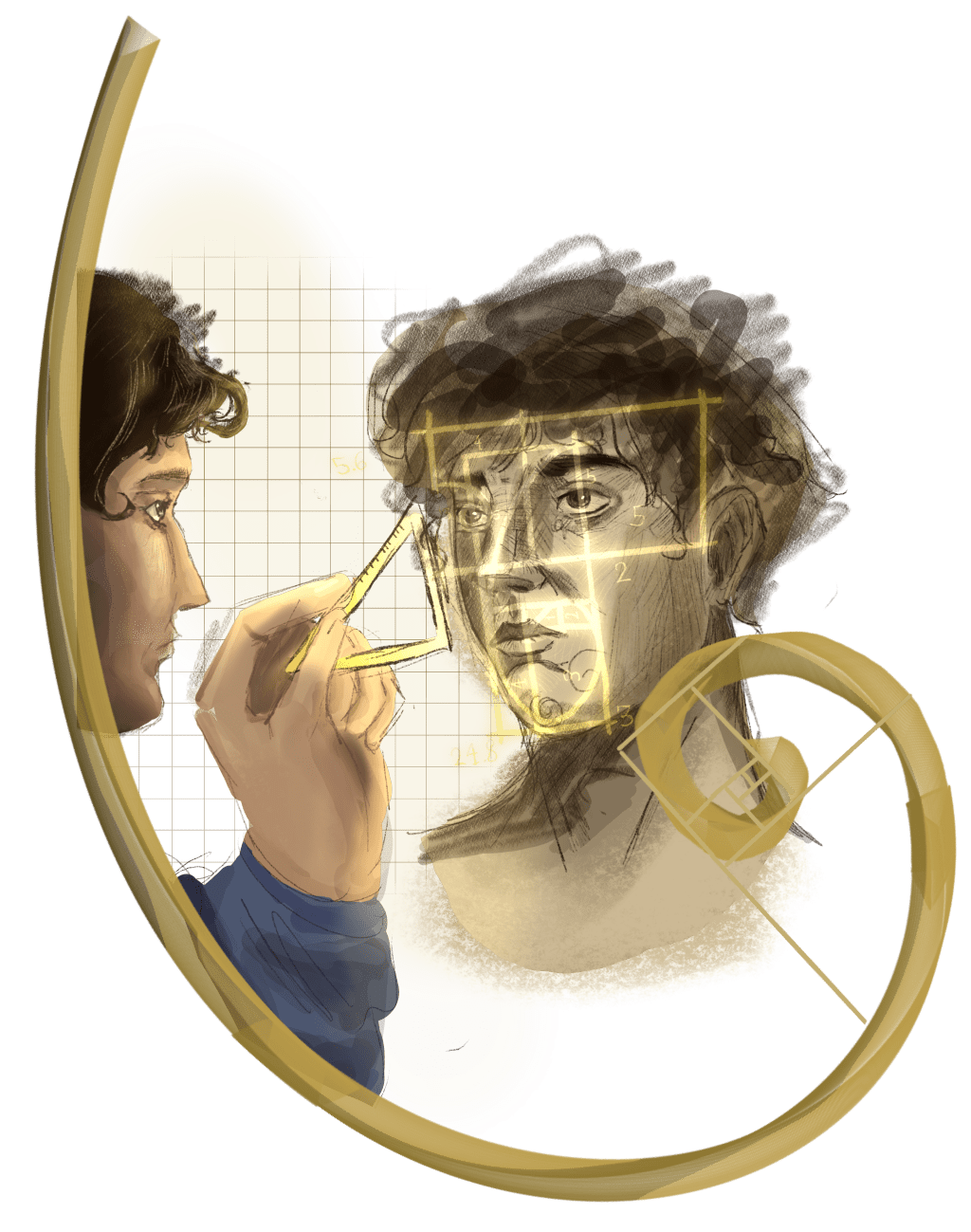
After getting more involved with the gym, Soetaert found herself constantly looking at herself in the mirror in positive and negative ways.
“I’m always paying attention to what my body looks like — not just how skinny I am, but what my muscles look like and how I can get bigger,” Soetaert said. “That’s obviously a drive for being in the gym, but [it] also can be a little bit detrimental because in the mirror, I always look at my muscles when they’re not flexing. I’m like ‘You can’t even tell they’re there.’ That definitely has shaped me.”
Despite this, Soetaert made sure to highlight the positive impacts on her self-confidence and mentality, a result that Nguyen has also observed.
“I fell in love with [going to the gym] because it made me feel good about myself — being able to look in the mirror and be proud of something that I’ve worked for,” Nguyen said. “It went from something boring [that] I used to neglect to something I look forward to every day.”
Choosing to focus on his own progress, Nguyen tries to avoid comparing himself to others.
“People need to realize they need to be comfortable with themselves and their bodies,” Nguyen said. “As long as you realize how much work you put in and progress you’ve made, I think that’s the key to being happy.”






 Branham Bear Witness
Leave a comment