
Originally published in print in April 2026. View print issues here.
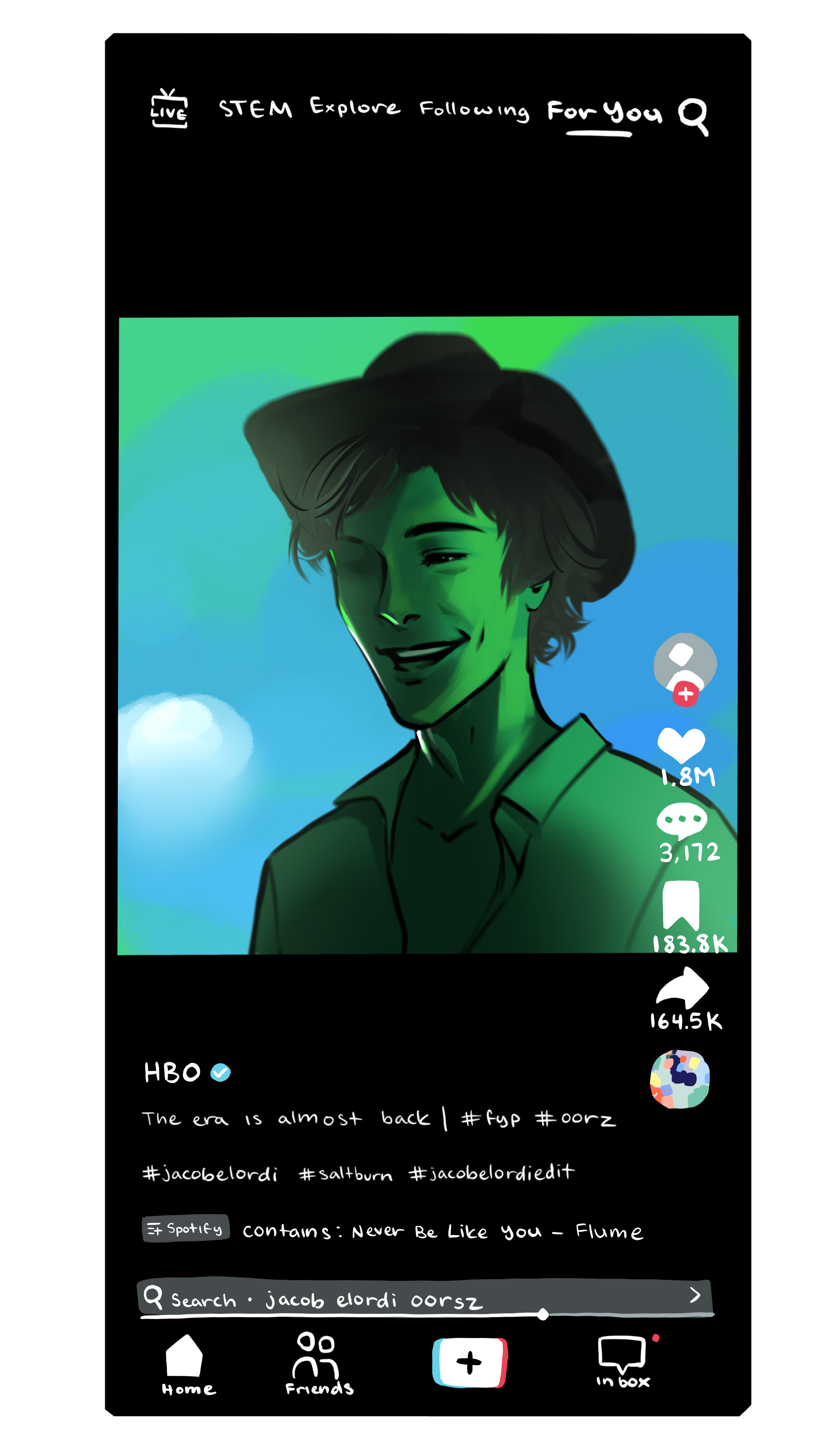
In an era of endless scrolling, it can be difficult to tell where entertainment ends and advertising begins. Edits, which began as fast-paced videos created exclusively by fans, have now expanded and repurposed by major companies as a marketing tool, changing advertisement on social media.
Intro to Business Marketing teacher Christopher Mock said marketing has adapted to the new fan-driven marketing style.
“If you can create content that seems like it’s authentic, it’s an easier way into someone’s brain,” Mock said. “If you’re consuming content that’s short form, then it makes sense that ads are going to reflect that too.”
Creators like TikTok editor @uhbucky have been able to build a massive following by mixing scenes from TV shows and movies into viral edits. For Melanie, the creator of the account, editing began as a creative pastime.
“I love that editing is so personal to the editor,” Melanie said in an interview with Merged Media Co. “It is such a cool way to express yourself through art.”
After eight years of posting her fan edits online, Melanie was recently hired by HBO/Warner Bros Discovery to work on promotional content for @hbomax’s TikTok as a long term Associate Creative Producer.
“I feel like fan spaces are such a big part of pop culture,” Melanie said. “They’re such a big part of what makes TV shows do well.”
This new era reflects an extensive trend in marketing. Rather than directly telling audiences what to buy, brands try to blend into the content people regularly enjoy. Mock described this subtle strategy as “inbound” advertising.
“I think many students think that advertising on social media is free, and you just kind of go viral. No, you have to pay a lot of money to get that in front of people’s eyeballs,” Mock said.
Different styles of media and businesses are adapting to social media by using TikTok mashups of different clips from TV shows and influencer-style content. Instead of the usual inbound marketing teams, TikTok brands like HBO are hiring creators who understand trends and audience behavior. Mock described this as part of a larger goal.
“Companies are always looking for how can they get more consumers and engagement,” Mock said.
According to Pew Research, six in 10 teens use TikTok. Major brands rely on creators who understand fandom culture to create content that captures young audiences’ attention on TikTok. As a result, advertising is being reshaped from traditional inbound marketing to content similar to what users regularly consume.
Junior Jaziah Vazquez dislikes how brands on social media are marketing. Instead of posting clearly labeled ads, many big brands now create mashups of different clips or scenes of their brand with editing and music to follow along with trends. For Vazquez, this approach can feel forced rather than engaging.
“If you’re a brand, you shouldn’t be making edits like you’re authentic. It just seems like you’re trying too much to get attention,” Vazquez said.
The line between entertainment and advertising can become blurred. Even when English teacher Vanessa Garcia-Guardado comes across brands on TikTok posting content, she does not know if she’s being marketed to or not.
“I’m from the generation where we had Twitter,” Garcia-Guardado said. “We saw brands starting to interact with us, but it doesn’t feel sincere.”
Garcia-Guardado pointed out that brands tend to pay more attention to big influencers when it comes to public relations (PR), leaving the everyday TikTok users who support the brand without any rewards, which can impact the credibility of their content. Despite Garcia-Guardado’s opinions, she agrees this inbound strategy is effective.
“It got me to download Duolingo, so it’s working,” Garcia-Guardado said. “I think it’s entertaining.”
For big brands like HBO, this new form of inbound marketing allows them to stay connected and in touch with younger audiences in a way that feels organic. Garcia-Guardado recognizes that this approach can create new job opportunities for editors.
“The fact that HBO is using their content but also paying them — I think that’s great.” Garcia-Guardado said.
The difference between advertising and entertainment may raise questions about transparency for people like Garcia-Guardado, who said that if ads are clearly not labeled, nobody really knows if they’re being influenced.
“If I see somebody’s promoting something on Tiktok, but they have links attached, I already skip it,” Garcia-Guardado said. “I don’t think their reviews are truthful at times.”
Vazquez agreed that clearer contrasts are needed between regular content and ads.
“People will just do ads without disclosing it’s an ad to get people’s attention. Every time I look in the comments, everyone’s pissed off,” Vazquez said.
Mock has noticed that a lot of brands use social media because of its international reach and marketing opportunities.
“The way we advertise has changed a lot,” Mock said. “Companies are adapting to [social media] because that’s what people are on. TV is dying, and they’re like, ‘You need to pivot and get on social media as much as possible.’”
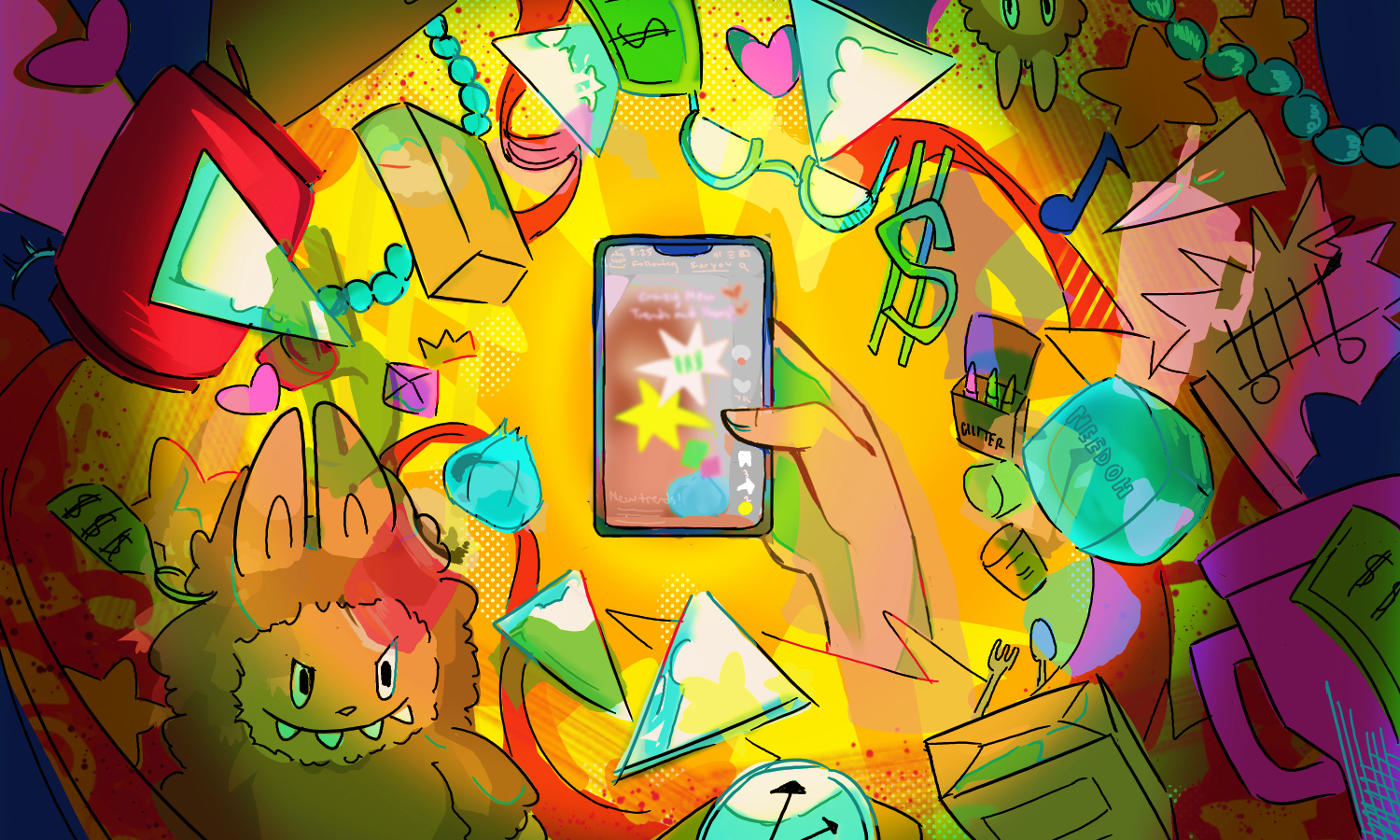
Illustration by Grace Ngo/Special to Bear Witness


Leave a Reply