
Originally published in print in April 2026. View print issues here.
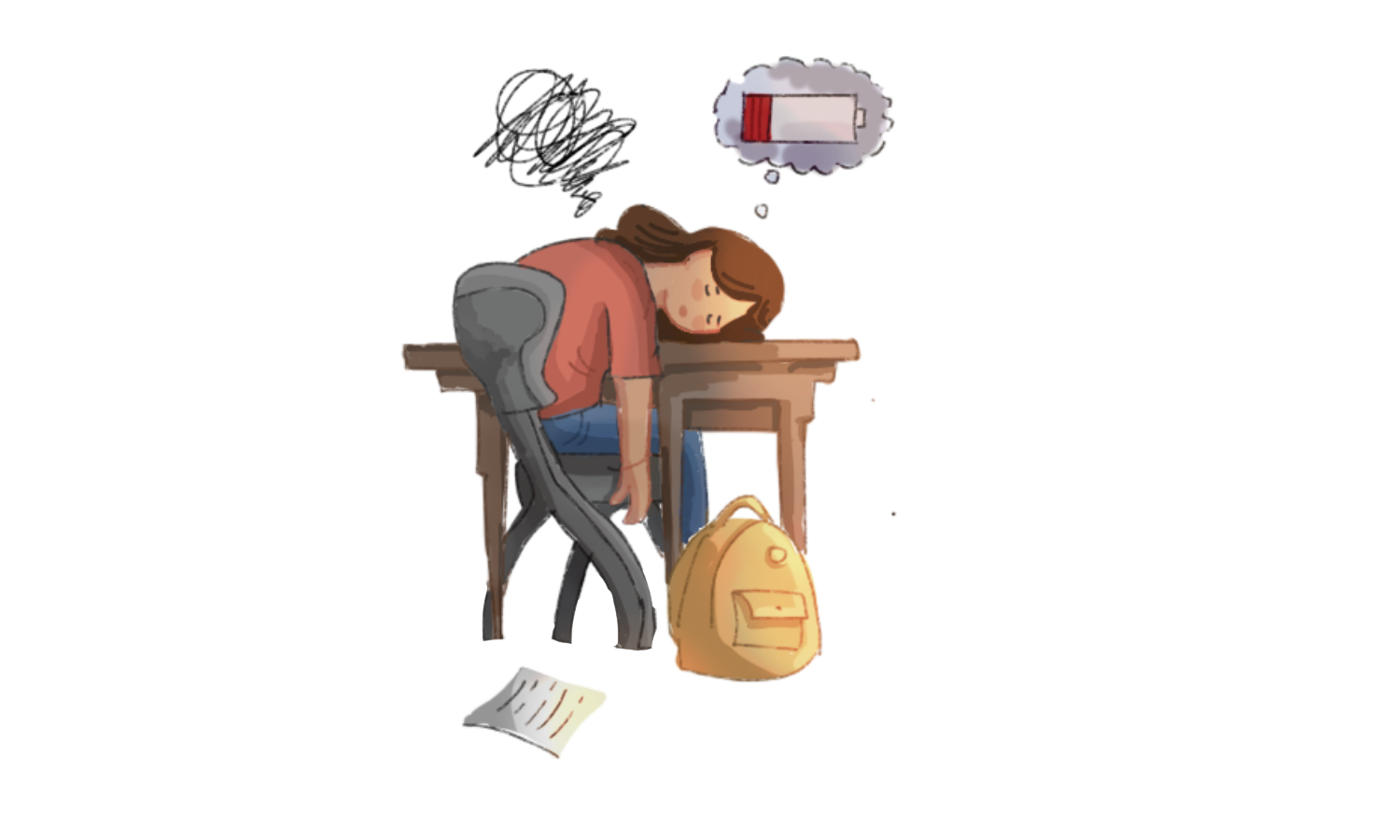
For many students, a hobby can begin as something they genuinely love — whether it’s music, club activities or sports. But over time, pressure from competitions, family expectations or personal goals can slowly turn that passion into something stressful.
Alysa Liu, an American figure skater, experienced burnout after she dedicated the majority of her childhood to training and competitions. Liu eventually left figure skating after achieving a successful figure skating record due to the pressure and demands that followed, which ultimately destroyed her happiness. Her story highlights how successful athletes can face difficulties when their passion transforms into obligations.
Burnout is a common experience for students balancing dedication with high expectations. Some Bruins, however, are learning that stepping back and rediscovering the joy that first drew them to an activity reconnects them with their passion.
Freshman Hiel Kim began learning piano when he was about four years old and initially loved practicing and improving his skills. However, as Kim became more involved with competitions, his mindset toward the hobby gradually shifted.
“As time progressed, I just felt burned out, especially because I wasn’t really doing it for the love of it, but because of competition results and being better than others,” Kim said.
Similarly, sophomore Emily Xiao liked participating in robotics and found the Robotics Club’s environment exciting and motivating. As she discovered the commitment and responsibility that came along with the club, her excitement became more of a strain. She spent 55-65 hours per week during the competition week, and balancing competitions, teamwork and school responsibilities often made the experience overwhelming.
“Balancing it and going into a competitive atmosphere without knowing how much time I had to put in made it really unexpected,” Xiao said. “I wasn’t prepared enough to experience it.”
Sophomore Vibha Hari also experienced similar feelings in gymnastics. With frequent practices throughout the week and competition season, the sport became a major part of her routine.
“I practice five days a week, and I’m constantly thinking about gymnastics,” Hari said. “I’m not enjoying it as much [because] it’s just repetitive. This season, because I’ve been injured, it’s just been worse, and I’ve felt it more.”
For Hari, her injuries contributed to her burnout during gymnastics season. Taking time off from training gave her a chance to step back from gymnastics.
The constant focus on gymnastics sometimes made her feel mentally exhausted, especially during competition season.
“When I’m constantly thinking about gymnastics, I’m just mentally fatigued when I get to practice,” Hari said.
According to Kim, the growing focus on achievement rather than enjoyment caused him to lose motivation and begin to dislike something he once enjoyed.
“As I got good results in competitions, I was making it all about being better than others instead of doing it for the love of it,” Kim said.
Kim eventually found inspiration through the Olympic figure skater Yuna Kim. After reading about the athlete’s experience with burnout following the 2010 Winter Olympics, Kim said he began reflecting on his own motivations.
“She was also burned out because she was making it about competition results,” Kim said. “But then she decided to come back because she realized she should figure skate for the love of it.”
Inspired by that perspective, Kim decided to approach piano differently, focusing less on comparison and more on personal enjoyment. After reconnecting with the original reason he began playing the piano, Kim realized his relationship with the instrument had changed significantly.
“It was scary at first, and I was hesitant,” Kim said. “But as time progressed, I just started doing it again because I like it, not because I want to be better than others.”
After taking a week off from gymnastics to recover from injuries, the break helped Hari rediscover her excitement for the sport and look forward to returning to practice.
“After taking a week off, I’m more excited about going back to practice,” Hari said.
For Xiao, she approached robotics through encouragement from teammates, friends and family members, which helped her continue robotics despite her early struggles.
“My senior [friends] told me they’ve gone through it all and gave me tips and resources on how to improve,” Xiao said. “My parents told me [to] not stress too much about it, saying, ‘We’ll help you however you want.’”
Kim highlights that the experience also helped him realize that feeling burned out does not necessarily indicate the end of a passion.
“I was able to find out that even though I may feel burned out, I can return to it and get back to it,” Kim said.
For students who feel disconnected from activities they once loved, Xiao advises that support from others can help students overcome burnout.
“Getting inspiration and encouragement from other people can really help pull someone out of burnout,” Xiao said. “It shows them a new perspective.”
Illustration by Emi Mohanrao/Bear Witness



Leave a Reply