
In recent years, lawsuits against businesses have become increasingly common, forcing business owners to take extreme caution when releasing products and building online projects. These lawsuits have gotten too excessive, and they raise the question of whether blame is truly being placed correctly.
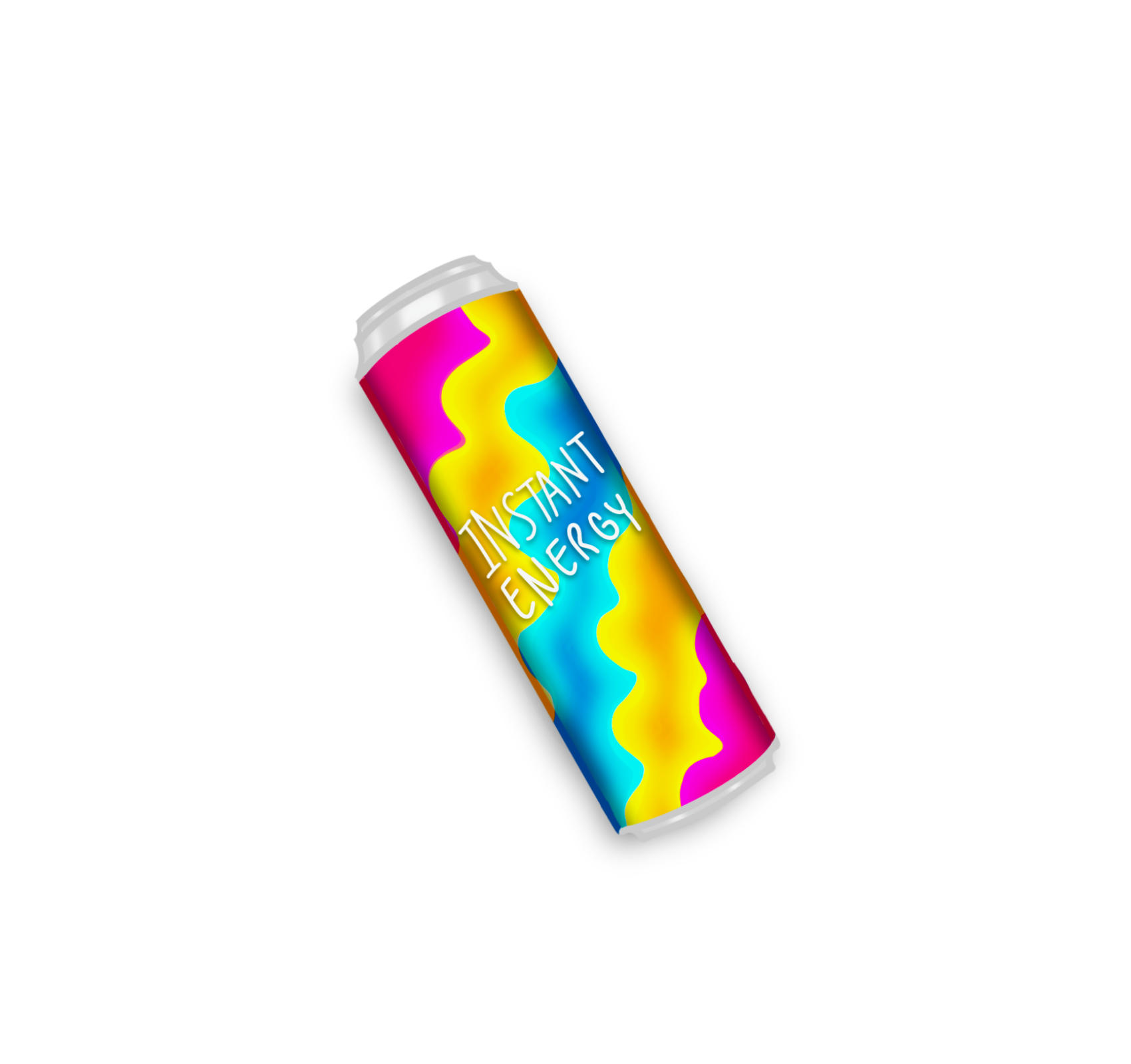
In April, a wrongful death lawsuit was filed on behalf of 17-year-old Larissa Rodriguez, who unfortunately passed away as a result of an “enlarged heart” — a product of excessive caffeine use. Her mother filed the business liability lawsuit against the company, Alani Nu, alleging that they did not advertise the dangerous effects the drink could have, and targeted their advertising towards young consumers.
Although the lawsuit claims wrongdoing on Alani Nu’s behalf, social media users seem to think differently.
Many users on various platforms like Instagram and TikTok place blame on the mother, whom they believe is responsible for the death because she consistently purchased the drinks for Rodriguez — totalling to somewhere between 200 and 600 mg of caffeine daily. According to Indiana University’s health department, children under 18 are recommended less than 100 mg of caffeine per day, more than four times less than Rodriguez’s average consumption.
Alani Nu claims no liability at all and that they complied with all the necessary requirements when distributing caffeinated beverages.
In the ongoing lawsuit, Celsius (the parent company of Alani Nu) responded in a statement explaining that they followed all Food and Drug Administration (FDA) regulations regarding the packaging of the drink and did not deliberately advertise to people under 18 years of age.
Regardless of where the primary blame lies, her passing was devastating, and the dangers of the drink should not be ignored. With that being said though, the dangers were explicitly mentioned and ignored by her mother, which makes the purchasing and consumption of the drinks irresponsible and the lawsuit entirely avoidable.
Other companies, such as bakery Panera Bread, have also been subject to several lawsuits.
According to NBC, three business liability lawsuits were filed against the chain after three customers drank the restaurant’s “Charged Lemonade”: a sweet lemonade containing between 158 and 390 mg of caffeine per serving. Two of the customers — one with a previously existing heart condition — passed away as a result of the excessive caffeine. The other customer claimed to have a permanent heart condition as a result of the drink. All three cases resulted in compensation to the victims, and changes to and later removal of the drink as a whole.
Lawsuits extend beyond just the food industry, though. Companies that are solely based on the internet are facing a unique rendition of these proceedings.
Meta, the owner and operator of several major social media platforms, and Google were sued in March of 2026 by a woman who claimed that excessive social media use as a child caused her severe clinical depression. According to NPR, the lawsuit was primarily focused on Meta’s “role in fueling a youth mental health crisis,” alleging that their platforms were intentionally curated to be addictive to children and teens. The woman, Kaley G.M, received six million dollars in compensation when she won the case in a decision that was the first of its kind: finding a social media platform accountable for a mental condition.
Cases of this extremity and uniqueness are not the only ones that have been popping up; lawsuits are increasing in all sectors, and business liability lawsuits are seeing one of the most dramatic rises. Evidently, this can be traced back to people’s blatant irresponsibility; avoidable situations that inspire unnecessary lawsuits — burdening the average consumer and the company, while benefiting the plaintiff.
According to Atra, lawsuit abuse is often assumed to solely harm billion-dollar companies; however, the truth is that it directly impacts the consumer. When a company is forced to recall items, go through lengthy processes to produce, or even go bankrupt, the economy feels a ripple effect that makes its way back to the buyer. The overall financial burden of lawsuits that target businesses, such as the cost of representation, has risen 18% since 2022. Representation alone sees a subsequent rise in price as a result of the increase.
For instance, it allows lawyers to raise prices because of high demand, which directly hurts the consumer, even if they are not in need of representation for a business liability suit. This comes as a result of supply and demand: when more specialized lawyers are needed, but there is only a finite amount, firms are able to charge significantly more to their customers. Thus, this dramatic rise in unaccountability forces economic hardship on more than just the unaccountable.
Lawsuits that are centered around trying to get around liability have become an overarching issue that impacts lower-level consumers just as much as it does the source. Things that are vaguely linked together have become courtroom focuses, and consumers refuse to take accountability for inconvenience.
Consumers need to take accountability for how products are being used and learn how to be responsible consumers rather than simply placing the blame on the companies or products themselves.
Illustration by Amelia Martorano/Bear Witness



Leave a Reply