
With the fall season launching off, the pumpkin spice epidemic has begun.
Bear Witness polls show that 46% of 795 surveyed students find themselves purchasing more drinks in the fall. Senior Sofia Martin is one of the students who buys more drinks in the fall.
“I think on average I’d probably get like two to three drinks a week,” Martin said. “And I think it’s probably looking more like four to five [in the fall.]
For some, its simply the love or exclusivity of the flavor and the cozy, nostalgic feeling that comes with fall drinks. For Martin, the appeal of fall drinks comes from both their flavor and the feeling of the season.
“I just really love pumpkin spice-flavored anything,” Martin said. “So I feel like normally that’s why in the fall I tend to get [it] more because it has a flavor that I really like, and I also just think that during the fall, as the weather starts to change, I like having warm drinks.”
For others, there are societal reasons that drive their love for pumpkin spice. Science teacher Kori Reynolds believes that seasonal drinks are part of a larger cultural trend in American society, especially as people look forward to the transition from summer to fall.
“I think that’s part of the American culture, to have this seasonality, these trends, to have the new coolest thing and to try the new thing,” Reynods said. “I think that beverages has just tapped into that cultural habit and is profiting off of it.”
Masked by their popularity, fall drinks’ detrimental health effects are downplayed, and one reason may be the lack of information coffee shops tend to disclose.
Senior Mia Kagel is a barista at Drinx, a drive-thru coffee shop. She explained that Drinx does not outline their nutritional values and ingredients explicitly on their menu or online.
“No [Drinx does not outline the nutritional values],” Kagel said. “If you talk to a barista, they look at the ingredients [for you].”
Another reason for the information gap of fall drink nutritional facts may be the association between fall drinks and healthy ingredients like pumpkin or cinnamon.
According to Hackensack Meridian Health, an American network of healthcare workers, pumpkin is rich in nutrients, including vitamins A, C, E and potassium. It also contains antioxidant and anti-inflammatory properties and may offer some cardiovascular benefits.
However, according to Sheila Sahni, M.D., an interventional cardiologist at JFK University Medical Center and Raritan Bay Medical Center, fall drinks themselves rarely contain real pumpkin, and even if they do, it is so little that there are no real health benefits that come from them in the article published by Hackensack Meridian Health. Instead, coffee shops use syrups as a substitute.
Kagel notes that Drinx uses syrup to mimic pumpkin flavors and that many other coffee shops do the same.
“A lot of other shops use the same sauce and syrups that [Drinx] do,” Kagel said. “So it’s kind of like an all-over coffee shop thing.”
Despite the abundance of these syrups throughout coffee shops, the unhealthy effects of them are often underexaggerated.
Reynolds explains how syrup is just water with large amounts of concentrated sugar. She goes on to explain how consuming such large amounts of sugar can lead to a glucose spike.
“The human body just wasn’t designed to have a consistent influx of high amounts of glucose,” Reynolds said. “So it can affect your glucose, [your] long-term glucose balance. It puts your body and your metabolism under a lot of work, makes it do a lot of extra work, puts your liver under a lot more work, so there’s a lot of parts of your body that have to do more work.”
Sahni also states that the high concentration of added sugars and calories can contribute to weight gain, increased risk of diabetes and adverse cardiovascular outcomes over time.
Reynolds considered alternatives to the unhealthy fall drinks.
“Do the little tricks,” Reynolds said. “Get the non-fat version. Do one less pump of sugar. Get a smaller cup. I don’t think anyone should have to abandon something that brings them joy or something they like as long as they’re doing it in moderation.”
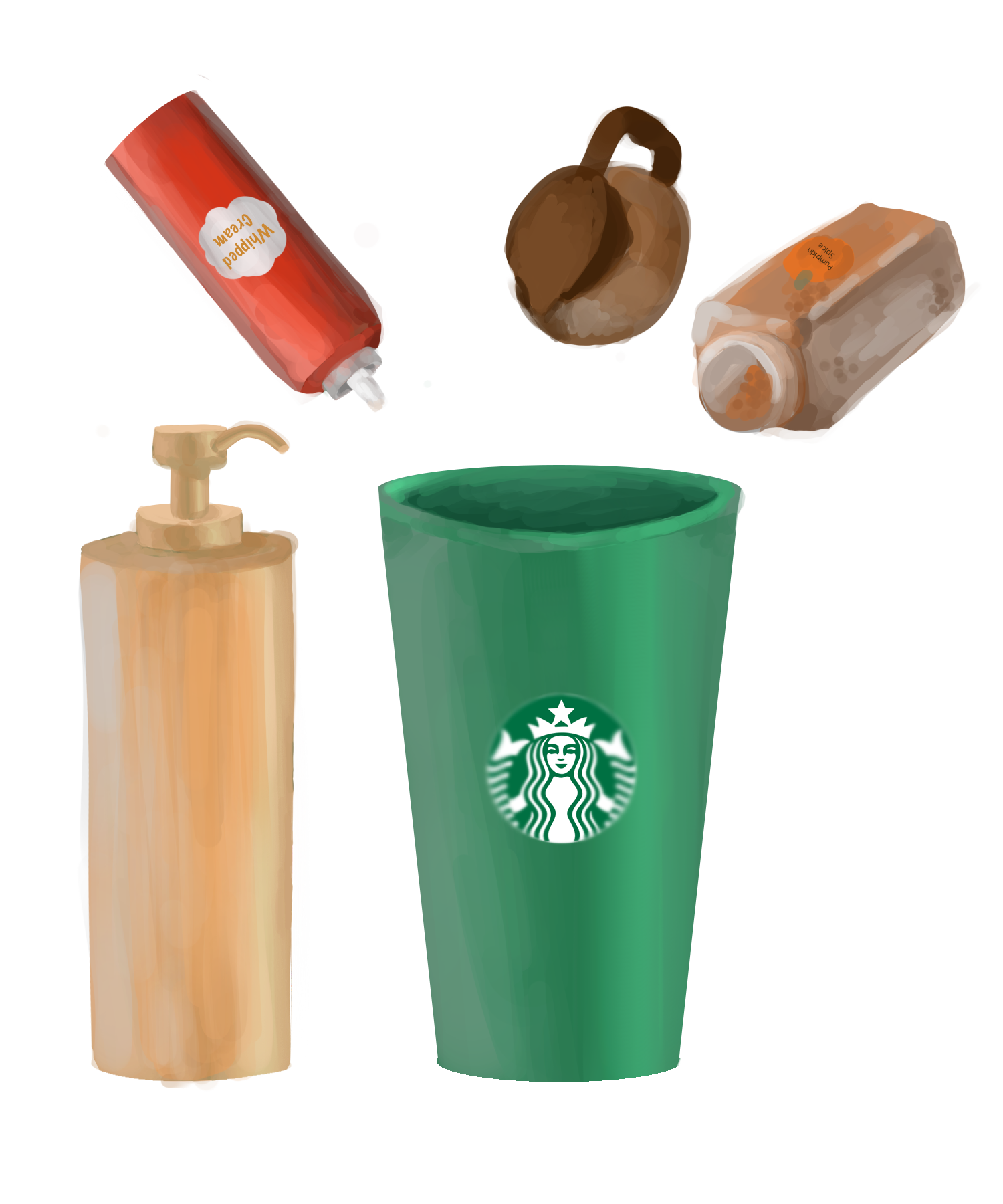
Illustration by Kathrym Wehrmaker/Special to Bear Witness



Leave a Reply